
Leaving about a 1/8 inch gap between the top edge of the film and the top of the glass keeps the film edge out of the zone where the upper seal rubs every time the window goes up and down, and that is one of the simplest ways to stop tint peeling on roll-down windows. On a high-use daily driver like the Honda Civic, the gap works best together with deep top-edge prep, firm final pressure on the edge and clear cure instructions for the customer.
Peeling is one of the worst callbacks a tint shop can get. The car left the bay looking clean, and a few weeks later the top edge lifts. The customer does not care whether the cause was prep, cut line, adhesive or rolling the window down on day one. They just know the tint failed. You pay twice: once in free labor, once in trust.

What Actually Causes Tint to Peel
Peeling rarely has one cause. It is usually several small decisions stacking up:
- The film is cut too high, into the friction zone under the seal.
- The top edge of the glass was not cleaned deeply enough.
- Water is left trapped near the edge.
- The top line did not get enough final pressure.
- The customer used the window before the film had cured.
- The film's adhesive or edge quality varies from roll to roll.
Almost all of these happen in the bay, in prep, cutting and the last minute of the install, long before the customer sees anything. Prevention is cheaper than a redo.
Why Honda Civics Expose Edge Problems Quickly
Civics are everywhere, they are driven every day, and the side windows go up and down constantly at drive-throughs, toll booths and parking gates. That makes them an honest test of edge durability. Owners also tend to notice a ragged top line right away.
If your shop sees repeat peeling on Civics, the same risk is almost certainly hiding in your Corollas, Accords and Camrys. Treat a Civic callback as a reason to audit the whole process, not a one-off.
Why the 1/8 Inch Gap Rule Works
The idea is simple. Keep the film close enough to the top of the glass that it looks intentional, and far enough down that the seal is not dragging across the edge on every cycle. A film edge cut right to the top meets the seal, grit trapped in the upper channel, and any small alignment error from the install. Pull it down about 1/8 inch and the edge sits in a quieter spot.
The gap does not guarantee anything, but it lowers how often the edge gets disturbed. It also gives you a standard you can train. When every technician aims for the same finish line, the top edges match from car to car, and a consistent top line is one of the first things a customer reads as professional work. Some glass and seal designs need a little more or less, so set the number per vehicle and then hold it.
How to Apply the Rule Consistently
1. Clean beyond the visible edge
Clean the top of the glass well past where the film will end, up into the seal area. Dust, interior film and road grime build up exactly where customers never look and where the edge has to bond.
2. Standardize the measurement
Do not leave the margin to eye and instinct. Whether you hand-cut or use a plotter and templates, train every technician to the same gap. Repeatable beats perfect.
3. Check alignment before you lock the film
A good cut becomes a bad edge if the film shifts during transfer. Check the top line before final squeegee, and compare left and right windows, because customers notice when they do not match.
4. Put real pressure on the edge
Some installs fail with a correct cut because the edge was never fully seated. Squeegee the top line deliberately and push the water out, then check it. Do not assume it is done because the window looks smooth from a few feet away.
5. Inspect like the customer will
Look from normal standing height, from inside and outside, and along the top line where the eye naturally goes. That last look decides whether the job is finished or a callback waiting to happen.
Then tell the customer, in writing, how long to keep the windows up. If they understand that the clean gap is deliberate and part of a durable install, they will not mistake it for a short cut.
What the Gap Rule Cannot Fix
A good margin will not save an install where the glass prep was incomplete, water was left at the edge, the bay was dusty, the customer got no cure instructions, or the film's adhesive is inconsistent. The gap is one part of the system, not the system.
Film choice matters as much as technique. If adhesive strength and edge quality change from roll to roll, technicians compensate on every job, and durability ends up depending on who installed the car instead of on your process. A roll that lays down predictably and holds its edge can make you more money than a cheaper roll that brings cars back. Compare more than shade: our guides to types of window tint, ceramic vs regular tint and ceramic window tint cost go through the options.
Peeling Prevention Checklist
| Risk Area | Typical Failure | Best Prevention Step |
|---|---|---|
| Top-edge position | Film sits in high-friction zone | Use a clean, consistent 1/8 inch gap |
| Edge contamination | Dust or residue weakens finish | Clean above and into the top seal area |
| Poor seating | Film edge looks fine but is not locked in | Increase final top-edge pressure and inspection |
| Material inconsistency | Some jobs fail despite correct technique | Review film quality and adhesive stability |
| Customer misuse | Window moved too early after install | Give clear curing instructions before delivery |
How This Protects Your Reputation
A customer may not know what TSER or IR rejection means, but everyone understands a lifted edge. That one visible failure shapes how they talk about your whole shop, and it shows up in reviews. Fewer peeling callbacks means less unpaid rework and more confidence when you upsell ceramic film or a darker legal shade.
It also has to match what you tell customers. If your counter talk and website cover heat-blocking film, whether ceramic tint is worth it, window tint percentages, tint percentage laws, whether tint goes inside or outside or how long window tinting takes, the install has to live up to it.
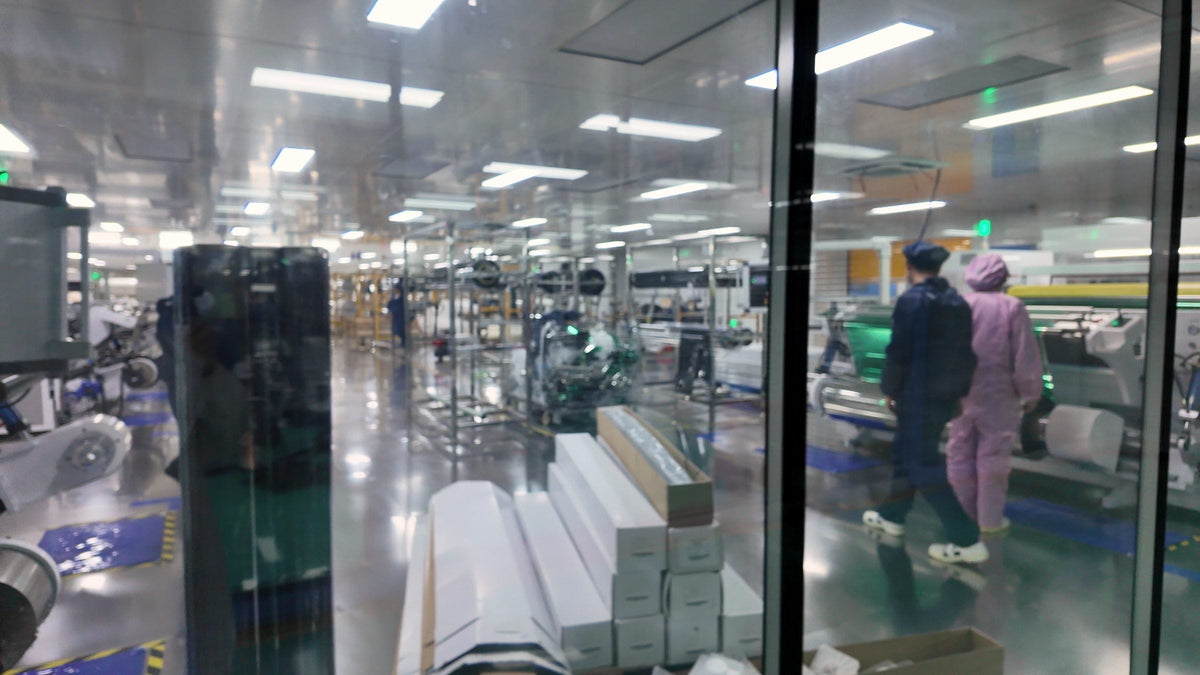
HIGHCOOL makes automotive window tint in its own Shanghai factory and sells it by the roll to tint shops and distributors. To test how our film holds an edge on your most common cars, ask for free A4 samples (you cover shipping) through our contact page.
FAQ
Is 1/8 inch always the right gap for roll-down windows?
No, but it is a strong working standard for most roll-down side windows. It balances a finished look with keeping the edge away from the seal. Adjust it for unusual glass or seal designs, then keep it consistent.
Can good window film still peel if the cut is wrong?
Yes. Even quality film can lift early if the edge is cut up into the friction zone or was not cleaned and pressed down properly. Placement and prep matter as much as the film.
How long should customers keep windows up after tinting?
Follow your film maker's cure guidance, which is usually a few days and longer in cold or humid weather. Give the customer the time in writing at delivery, because early window use is a common cause of top-edge peeling.

Share:
How to Fix Window Tint Bubbles: 7 Root Causes That Raise Shop Rework Costs
Jeep Wrangler Flat Glass Tint Guide: How 2-Mil Limo Tint Helps Reduce Rework